
🥃 Ballantine's
One of the best challenges with writing this email each week is choosing a topic. Scotch whisky has such a rich and varied history that there’s never a shortage of stories to tell.
But at the heart of this series, the focus isn’t just the liquid in the glass - it’s the people. The men and women who built the Scotch whisky industry into what it is today. Looking back at their lives and work gives us perspective. And sometimes even lessons, for the future. Some, of course, we choose to learn from. And some, well, maybe not.
Last week, I dusted off a bottle that had been tucked away in my whisky cupboard for nearly two years: Ballantine’s Vitality. Unusual in its own right, not as a blend but as a pure grain Scotch whisky. (You can see more about it HERE).
Today, of course, Ballantine’s is a brand - the second biggest selling Scotch whisky brand in the world, no less. But originally, the name belonged first and foremost to a person. That person was, of course, George Ballantine.
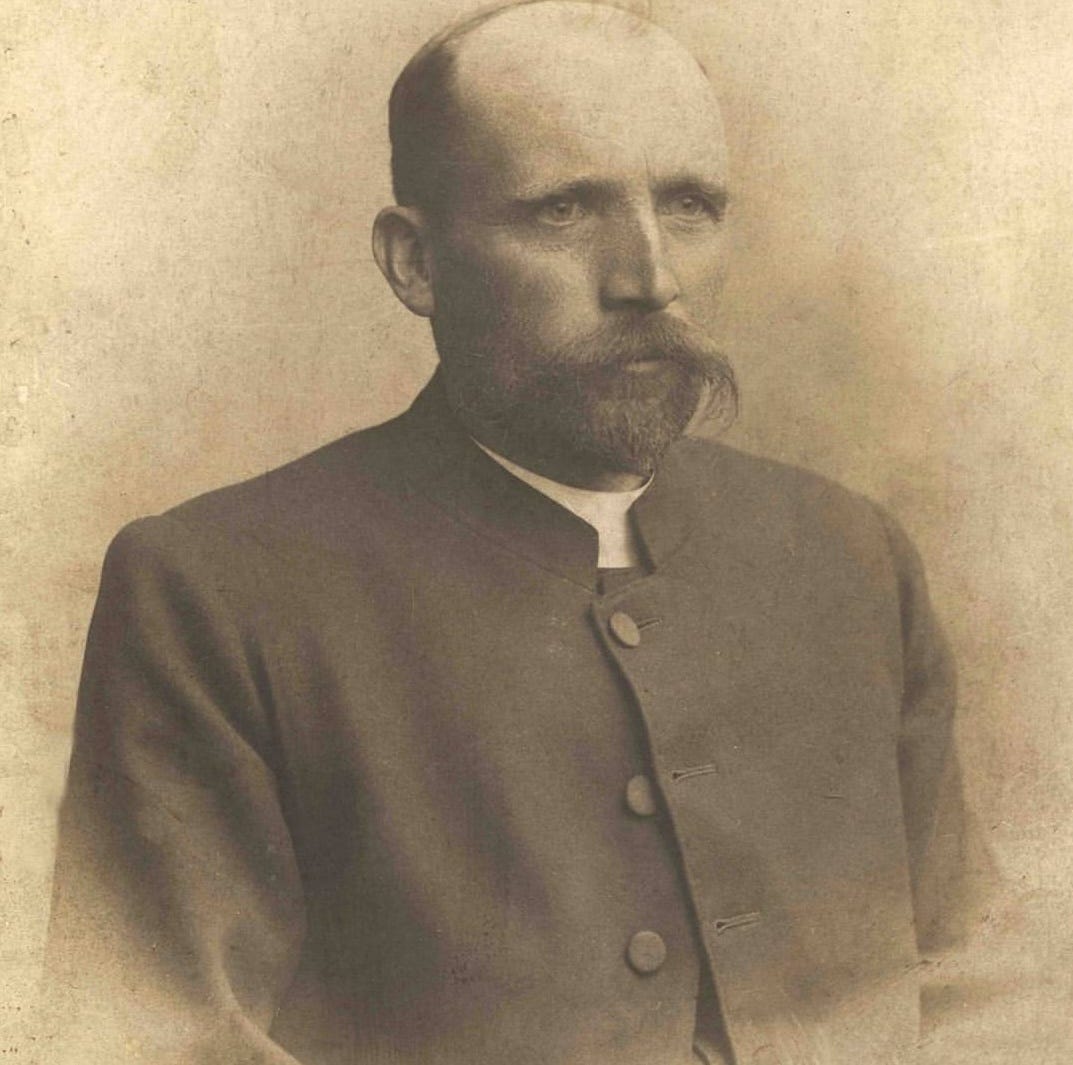
Although the Ballantine name - in Scotch whisky circles, at least - has a close association with Glasgow, it was actually in Edinburgh where George Ballantine first started out in business.
There’s a succinct timeline over on the Ballantine’s website HERE but I’ll try to put a little more flesh on the bones, so to speak.
Born in Broughton - a village located between Peebles and Biggar - in 1809, George Ballantine moved to Edinburgh to start a five year apprenticeship in May 1822 with Andrew Hunter, a tea merchants and grocer.

Five years later, with his apprenticeship served, Ballantine set up in business on his own on Edinburgh’s Cowgate. At this point, George was just nineteen years old.

By 1831, he had moved the business to Candlemaker Row.

And then he entered into a partnership with James Gardner. Although it’s not been possible for me to find out exactly when the partnership started, the pair were running their business at 67 South Bridge in 1836, trading as Ballantine & Gardner.
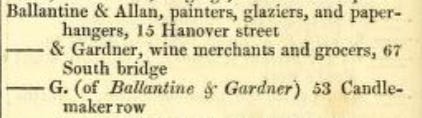
The premises had only became vacant at the end of October / beginning of November that year when the previous occupant, John McLachlan, moved to Bristo Street.
But later that month, the Ballantine & Gardner partnership was dissolved and George Ballantine was back trading by himself.
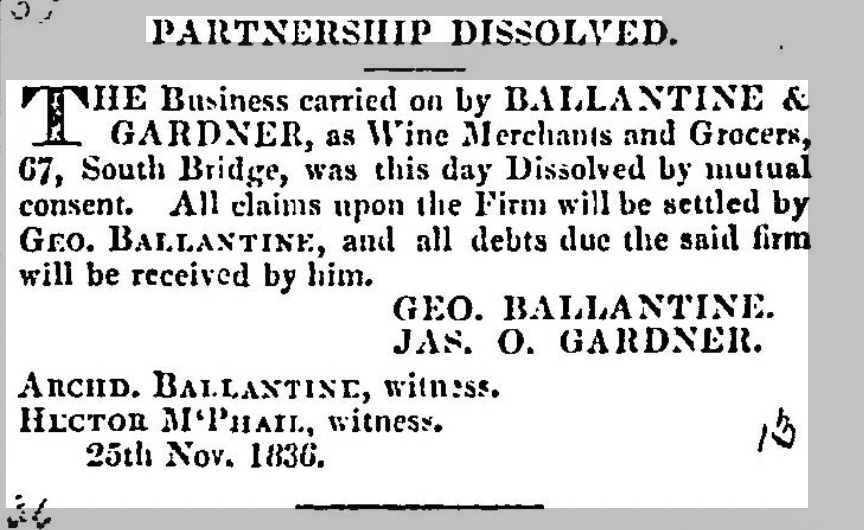
Who James Gardner was and why the partnership was so short-lived - at their new premises, at least - is still something I’m trying to work out. But according to the Ballantine’s site, it was around this date that George Ballantine moved into the wine and spirits trade. And in Gray’s Annual Directory of 1834-35, there are two James Gardners listed, the second being a spirit dealer.
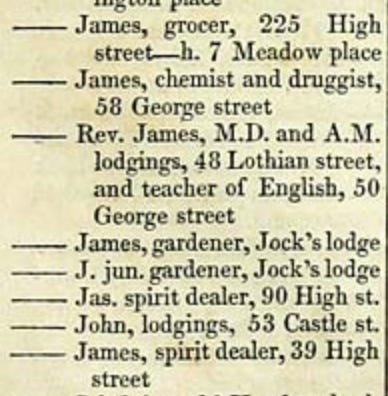
So, maybe it was this James Gardner who facilitated Ballantine’s move into the spirits trade in some way? Sometimes, the research into these emails offers as many questions as it does answers.
In March 1843, George married Isabella and the couple set up home in Buccleuch Place on Edinburgh’s south side.
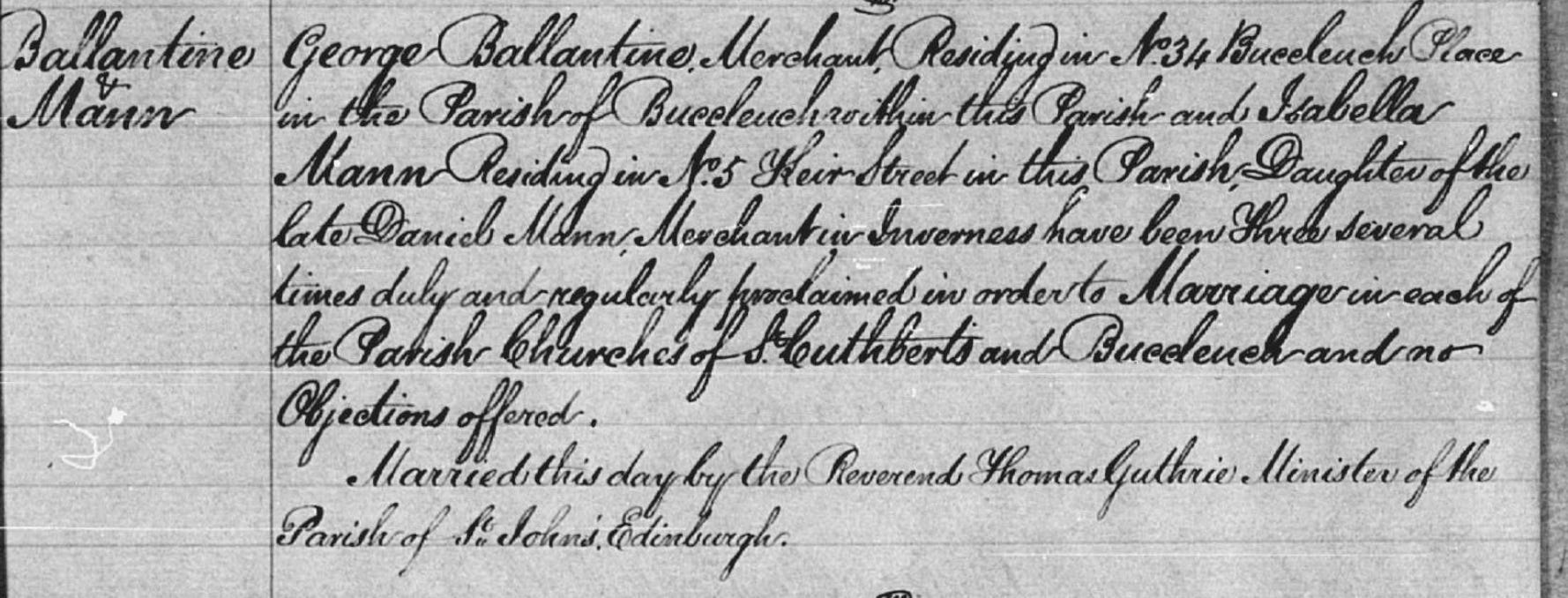
Their first son, Archibald, was born the following year. Daniel arrived in 1845, and George Jnr in 1846.
Both Archibald and George Jnr would later play prominent roles in the firm - but more on that shortly.
Tragically, Isabella died in 1848 of “inflammation,” a vague catch-all term at the time for fever, pain, and visible swelling. Two years later, George remarried, taking Mary Clark as his second wife in 1850.
What followed was a fifteen-year gap in the family’s business records. During this time, George moved his family to Nenthorn, a small hamlet in the Scottish Borders, where he worked a farm.
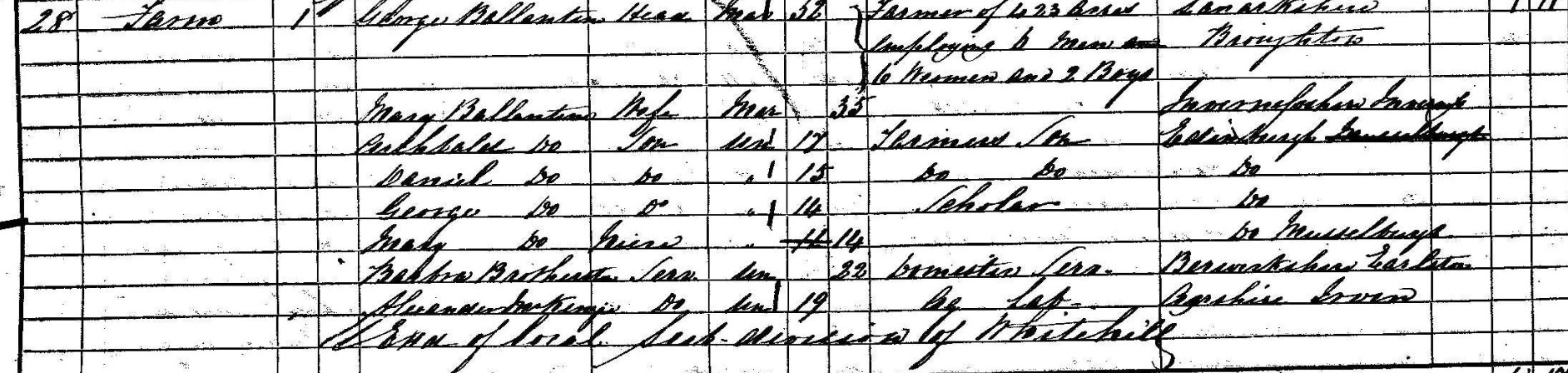
By 1865, however, the Ballantines were back in business. Archibald managed the Edinburgh premises, while George oversaw operations in Glasgow.
George retired in 1881 at the “tender” age of 72, leaving the business in the hands of his sons. Just nine years later, tragedy struck again: his second wife Mary died, and in the same year, his son Daniel also passed away. The firm was left to Archibald and George Jnr.
In 1891, George himself died, and George Jnr assumed full control of the business.
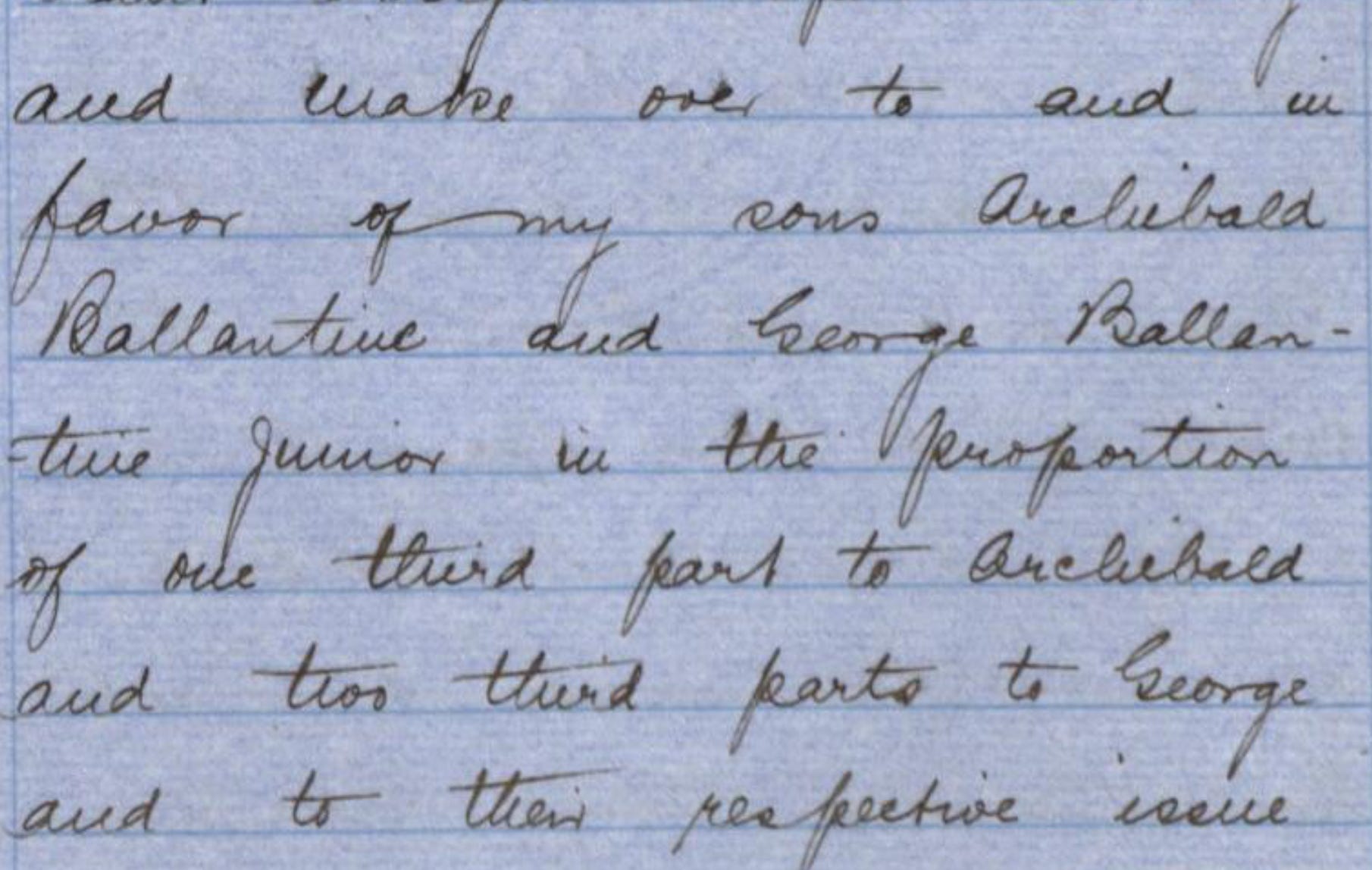
His will reveals an interesting detail: Archibald received one-third of the estate, while George inherited two-thirds. (Paid subscribers can read more about George’s will in the follow-up email.)
Four years later, in May 1895, George Ballantine & Son relocated to 81 Princes Street—a prestigious address at the time. Today the site is less glamorous, occupied by a concrete block roughly where Clarks shoe shop now stands. That same year, the firm also received the coveted royal warrant from Queen Victoria.
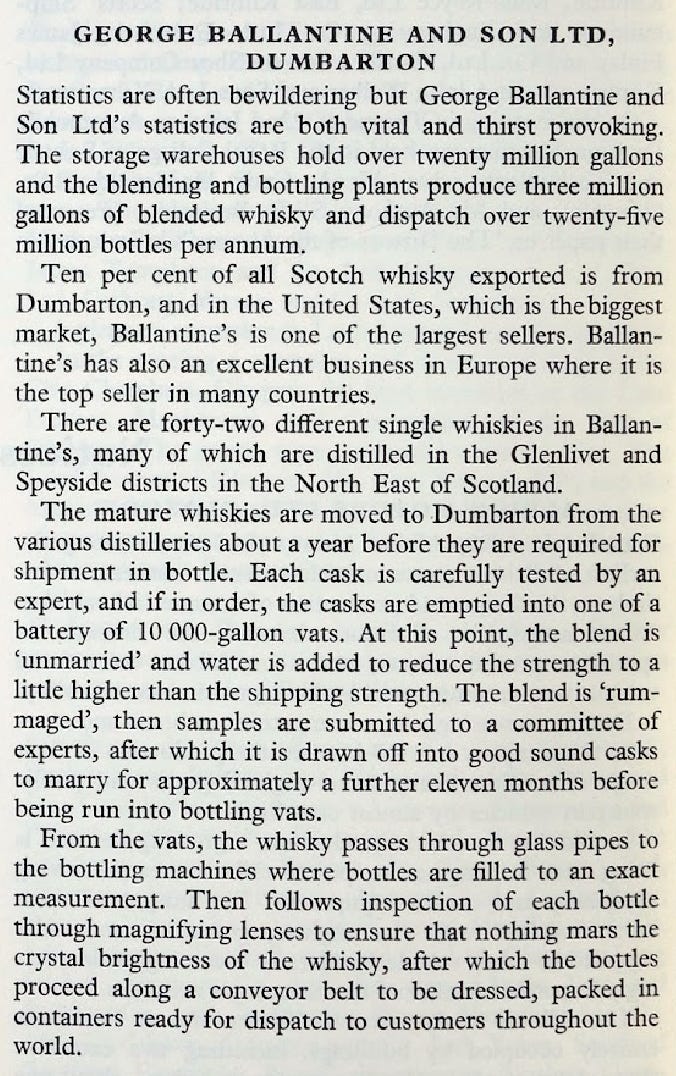
The Ballantine’s brand is now owned by Pernod-Ricard but it changed hands several times over the following century to get there. Barclay & McKinlay acquired it in 1919, likely as a result of the post-war slump. In 1936 it passed to Hiram Walker. Here’s an extract from the Institution of Mechanical Engineers from 1961 whilst it was in their ownership:
Ballantine’s was later absorbed by Allied Domecq in 1989. Finally, in 2005, Pernod Ricard took ownership, where - hey, presto - the brand remains today.
Next week I’ll be on holiday, so free subscribers won’t receive an email. Paid subscribers will still get a short note, mainly to collect your questions for a Q&A I’ll record once I’m back. If you’d like to submit a question, now’s a good time to upgrade.
Slàinte!
Justine
P.S My weekly email goes out every Thursday. Move my emails to your primary inbox so you see the next edition!
My subject lines will always include the “🥃” so they’re easy to find.
📕Buy “Opening The Case: The Affairs of Pattisons’ Whisky” HERE
This is incredibly well researched. Did Mary Clark have children with George?