
🥃 Gilbey Gold
Email originally sent to subscribers on 17th July 2025
Now, how many of you chanced it last Sunday with the SMWS’ summer sale? A discount code - giving a whopping sixty quid off any bottle - was doing the rounds, meaning that some tasty single cask, cask strength offerings could be picked up for less than a tenner.
Except, of course, they couldn’t.
First thing on Monday, these orders were all cancelled. Not only due to Minimum Unit Pricing (which is the law here in Scotland), but also (and very likely) because the SMWS wouldn’t have made a penny in profit - and would probably have lost a great deal of money to boot.
Needless to say, that didn’t stop people from trying - myself included. And the bottle I opted for was from distillery 80 which is, for those who don’t know, Glen Spey.
Anyway, the order for my nine quid bottle of Glen Spey was evidently cancelled but it did make me think that it would make a nice wee intro to this week’s email.
Glen Spey is a distillery that I, for one, overlooked for many, many years until I picked up a bottle of Spey Royal at auction back in 2020. Hey, Covid made me do it. But this was probably one of the easiest drinking - and tastiest - whiskies I’ve ever tried.
One thing to always bear in mind is that the market was very different back then. Essentially, there was no real single malt market. Yes, Scotch whisky was bottled as single malt but in extremely small quantities. So, without the single malt market, all the ‘good stuff’ went into blends. Well, that’s just my opinion, of course.
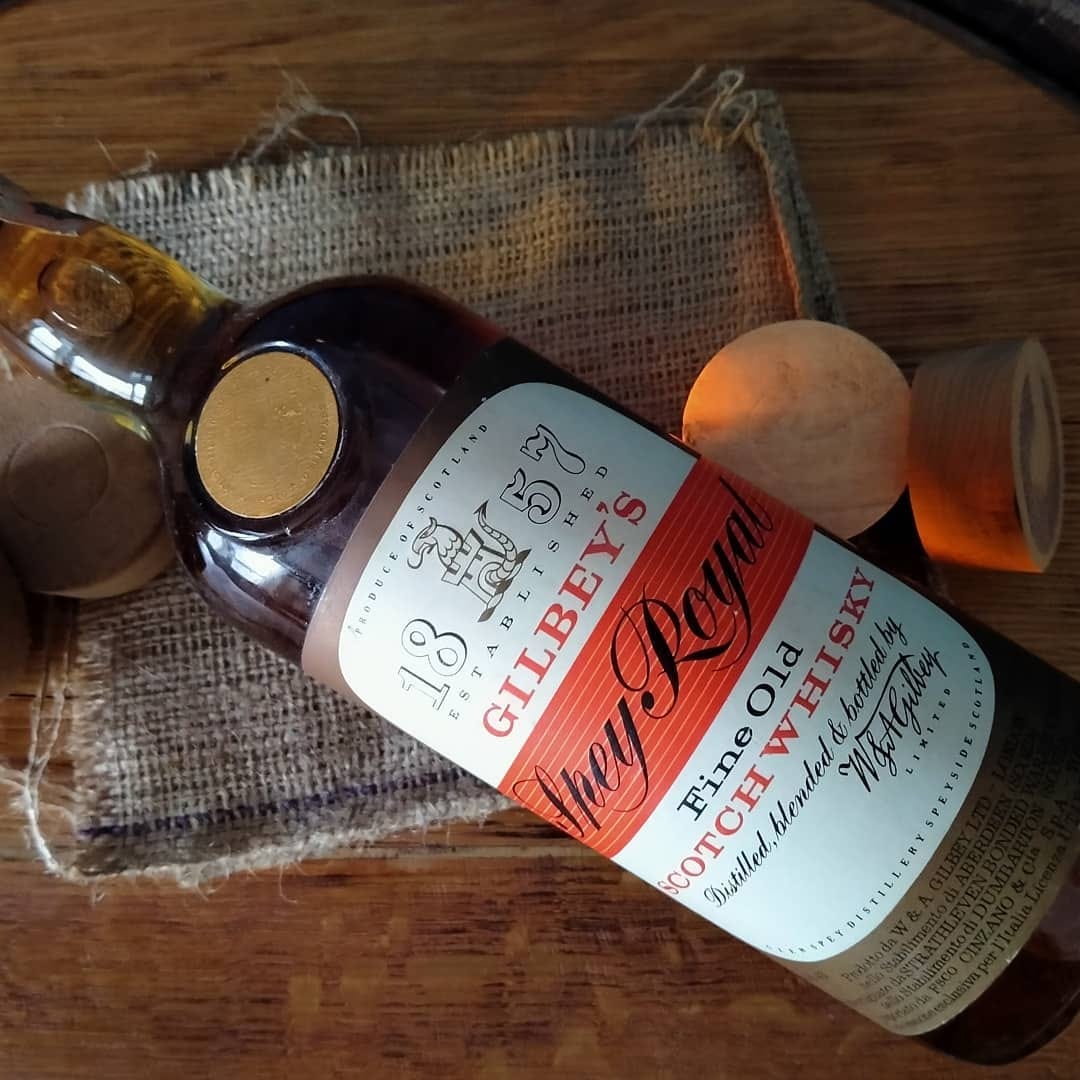
This particular Spey Royal was from the 1970s and, as you can see from the label, it was distilled, blended and bottled by W & A Gilbey.
For a long time, Gilbey’s to me was always associated with gin. Maybe it’s because I’m a child of the 70s and remember those awful Terry Thomas adverts that you just wouldn’t be able to get away with these days.
But the Gilbey brothers were big players in the Scotch whisky industry too.
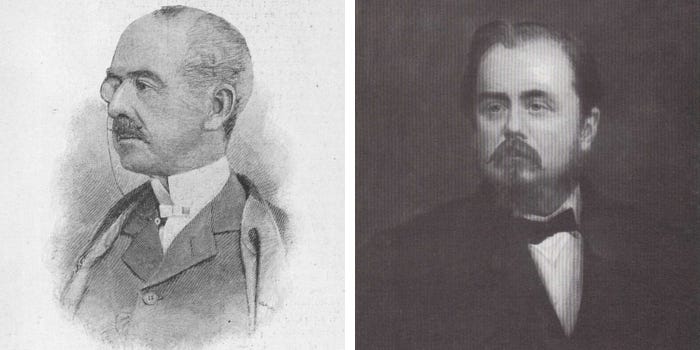
Walter and Alfred Gilbey originally set themselves up as wine merchants in London back in 1857. The Pantheon, on Oxford Street, became their head office (it’s an M&S today).
Interestingly, another Gilbey brother, Henry, had been working as a wine merchant and after the other two returned to England after the Crimean War - Walter and Alfred served as civilians to the army pay department - he suggested that they set themselves up in business.
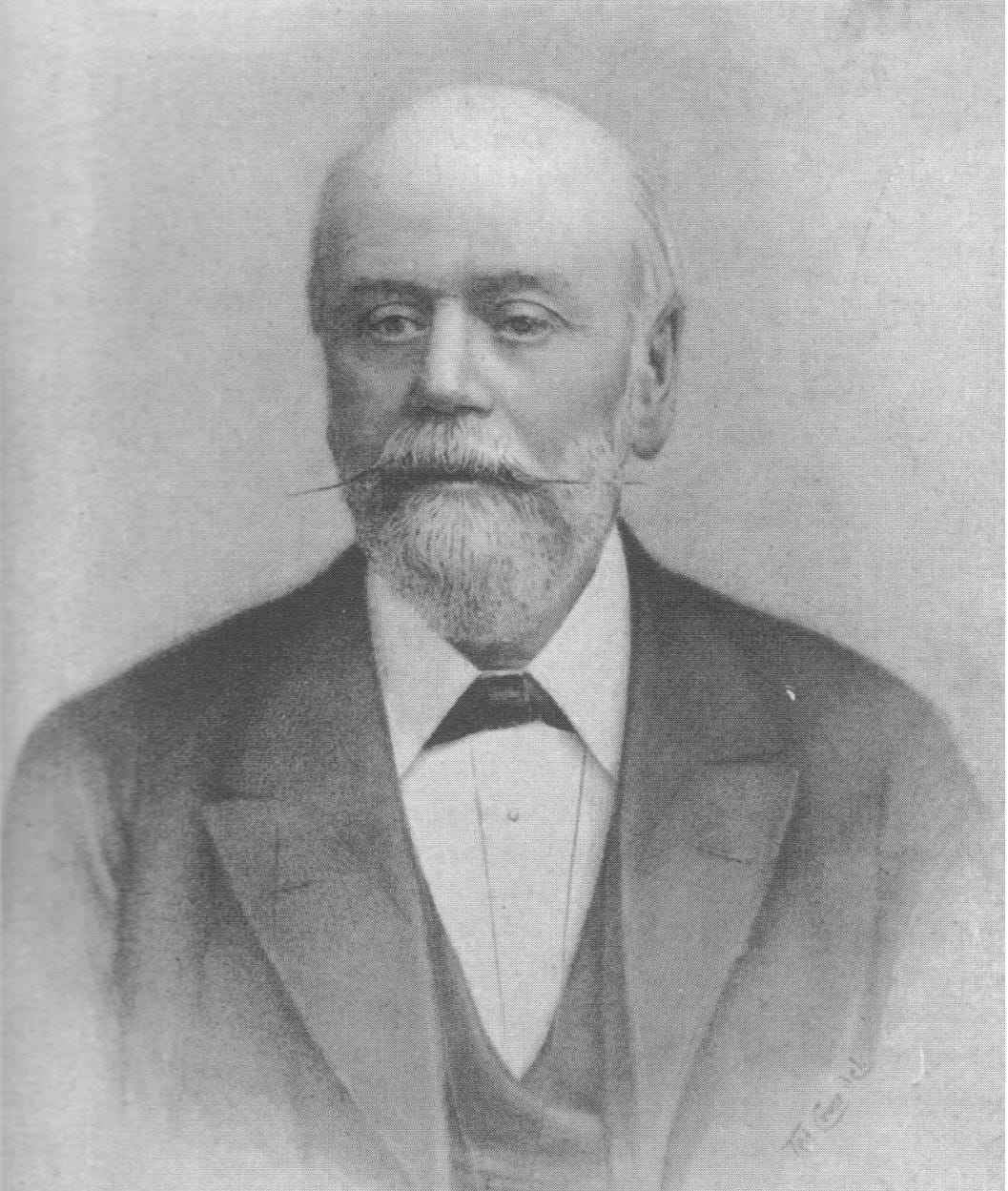
Initially, they imported wines from South Africa. This was a new idea as most wines were imported from, let’s say, more traditional wine-producing countries. But our man William Gladstone - the Chancellor - had decided to place heavy duties on wine imported from France, Spain, Portugal etc; the duty on wine from ‘colonial’ countries, however, was less. In short, these wines proved to be very popular indeed.
There are so many other areas that the Gilbeys were involved in. They could be the subject of several books - and I’m sure they already are. So, let’s just concentrate on their involvement in the Scotch whisky trade for now.
As well as wine, the Gilbeys operated as spirit merchants. When they started out, they aimed to supply both directly to the customer by appointing ‘agents’. In the late 1850s, three grocers applied; one in Reading, one in Wolverhampton and one in Torquay - the town where I was born. Well after 1857, I may add, before anyone hits reply.
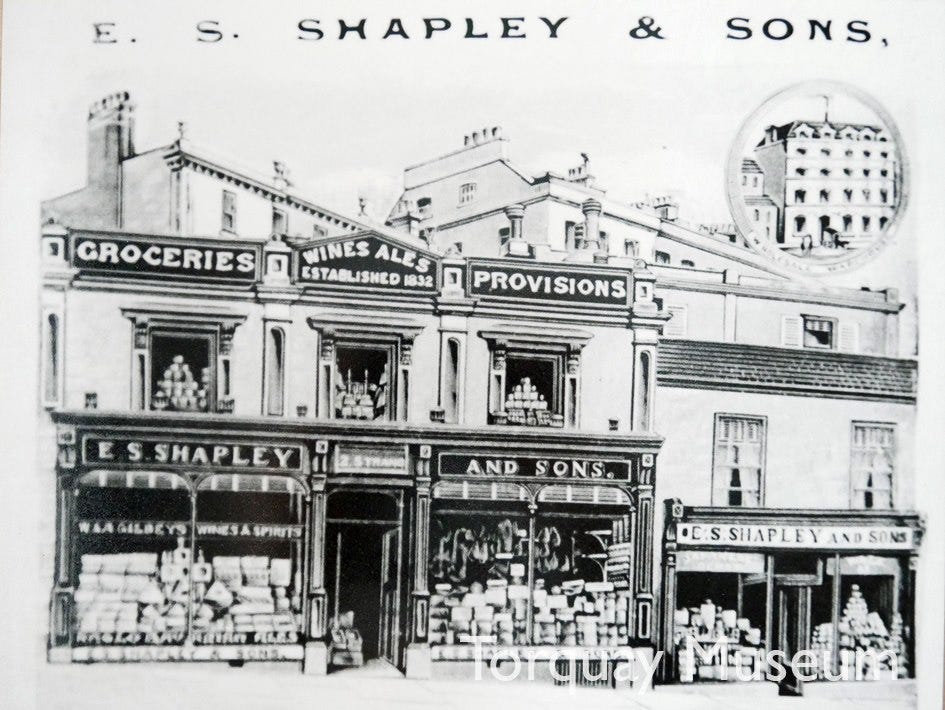
By 1859, W & A Gilbey had opened additional branches in Dublin and Edinburgh - the latter was located just opposite Haymarket Station, on Clifton Terrace.
Things were going swimmingly and in 1865, brother Henry - who had suggested the idea to them in the first place - joined the company. Just less than thirty years later, W & A Gilbey (they never included an H - poor Henry) became a private limited liability company.
So, going back to the Spey Royal label, you can see that the word ‘distilled’ is included. W & A Gilbey also owned a number of distilleries, Glen Spey being one of them which they acquired in 1897.
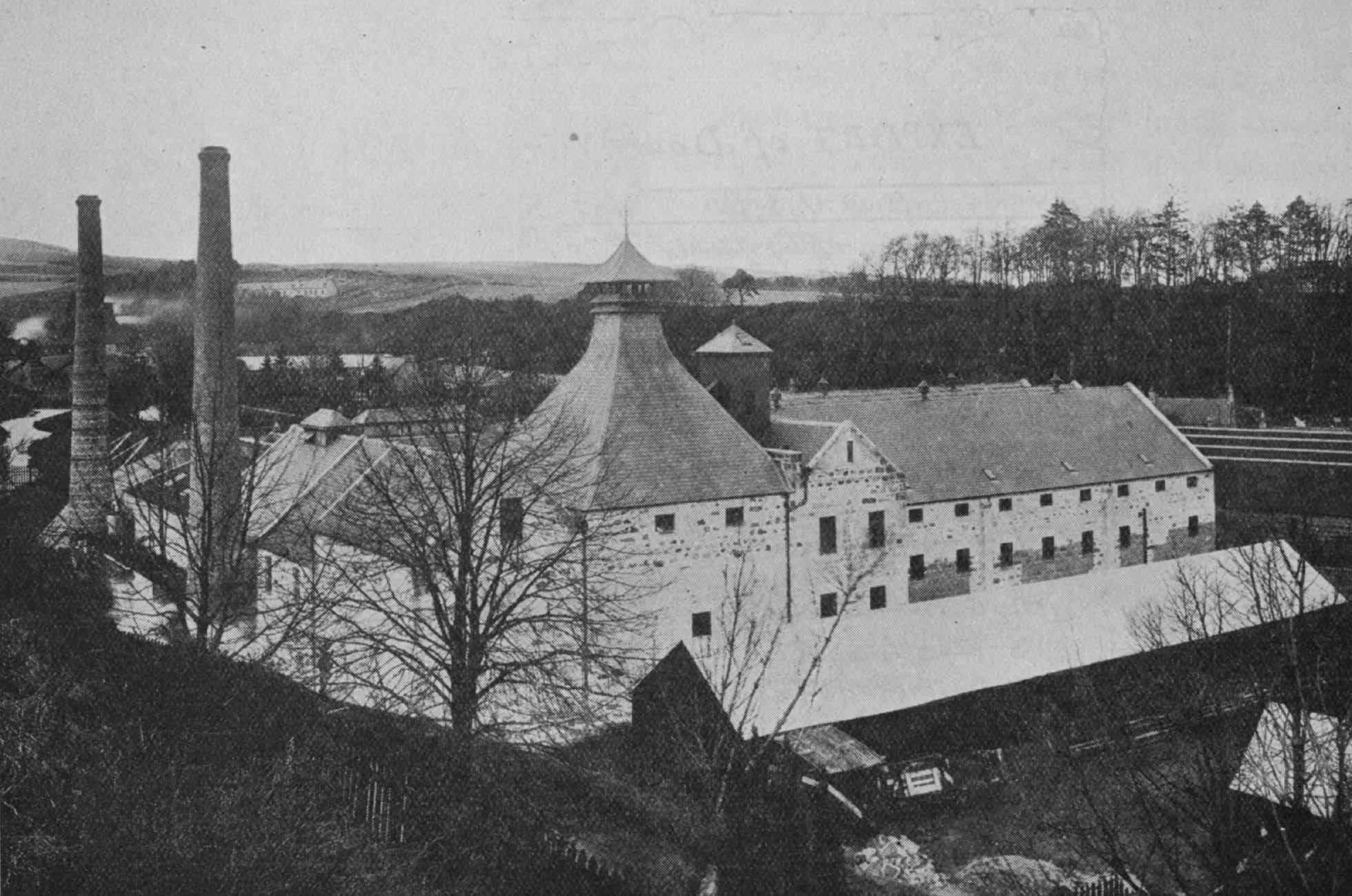
Two years earlier, the business had bought Glenisla-Glenlivet Distillery, although today we know it better as Strathmill. And then in 1904, they acquired Knockando Distillery.
Blenders and spirit merchants tended to acquire distilleries as a way of securing spirit for their blends and W & A Gilbey were no exception.
The eldest brother, Henry Parry Gilbey, died before the end of the century in 1892, aged 68. The younger of the three brothers - Alfred - had died even earlier, in 1879 aged just 46 years old. But Walter kept going until the ripe old age of 83 when he died in 1914. The family were buried in Hertfordshire and you can take a look at this short video of the graveyard visit I made HERE
Walter left an estate of £425,156 - the equivalent of just under £38 million today.
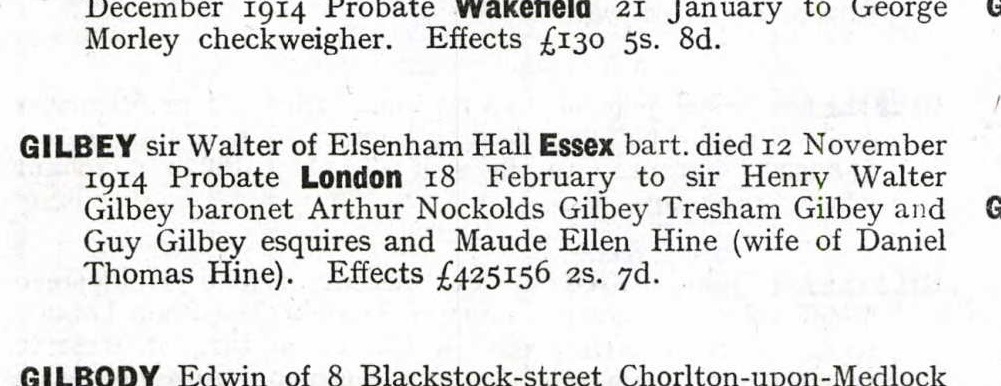
Thirty-eight-feckin-million. And this is Elsenham Hall, by the way:
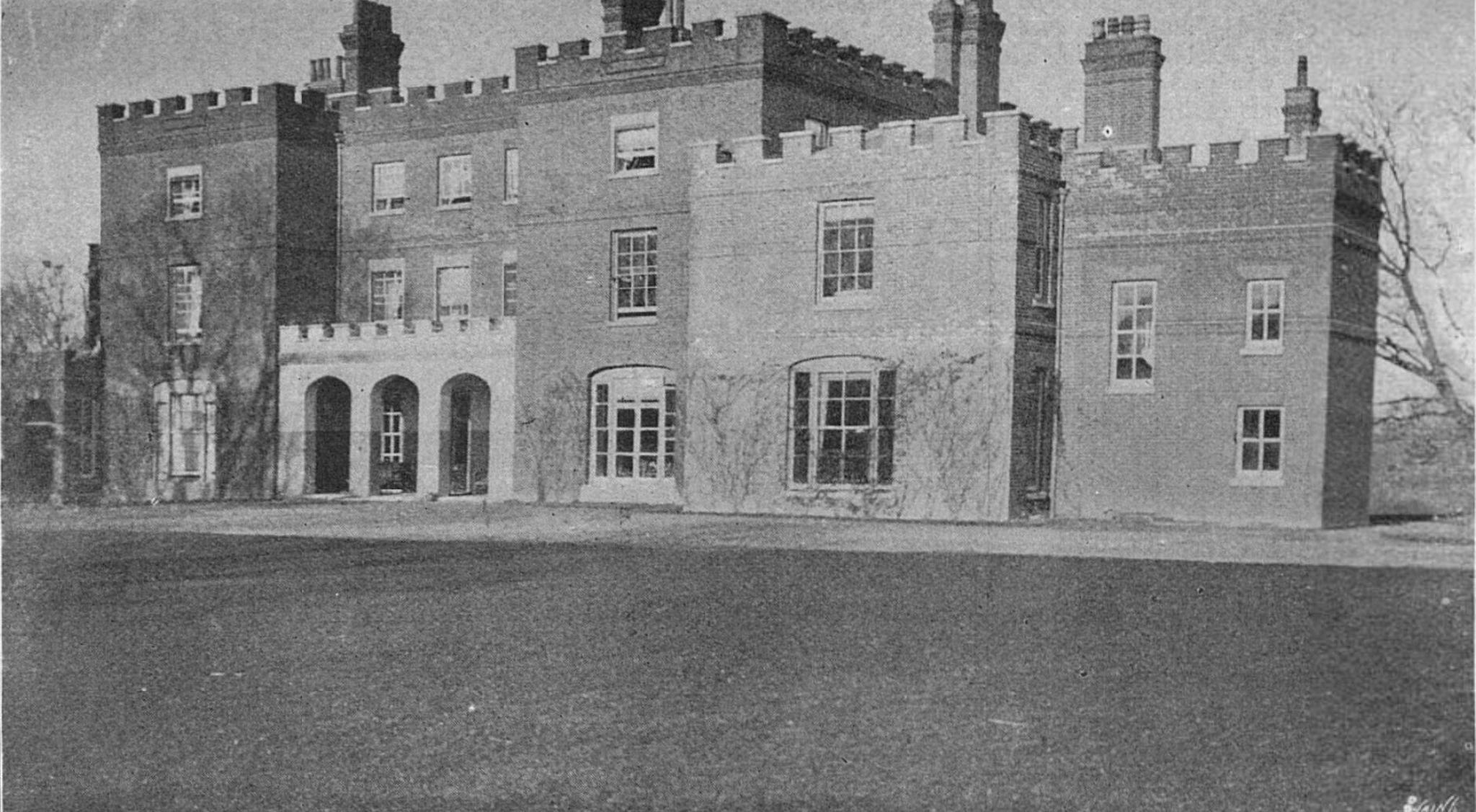
So, I guess it’s safe to say that the Gilbeys did alright for themselves.
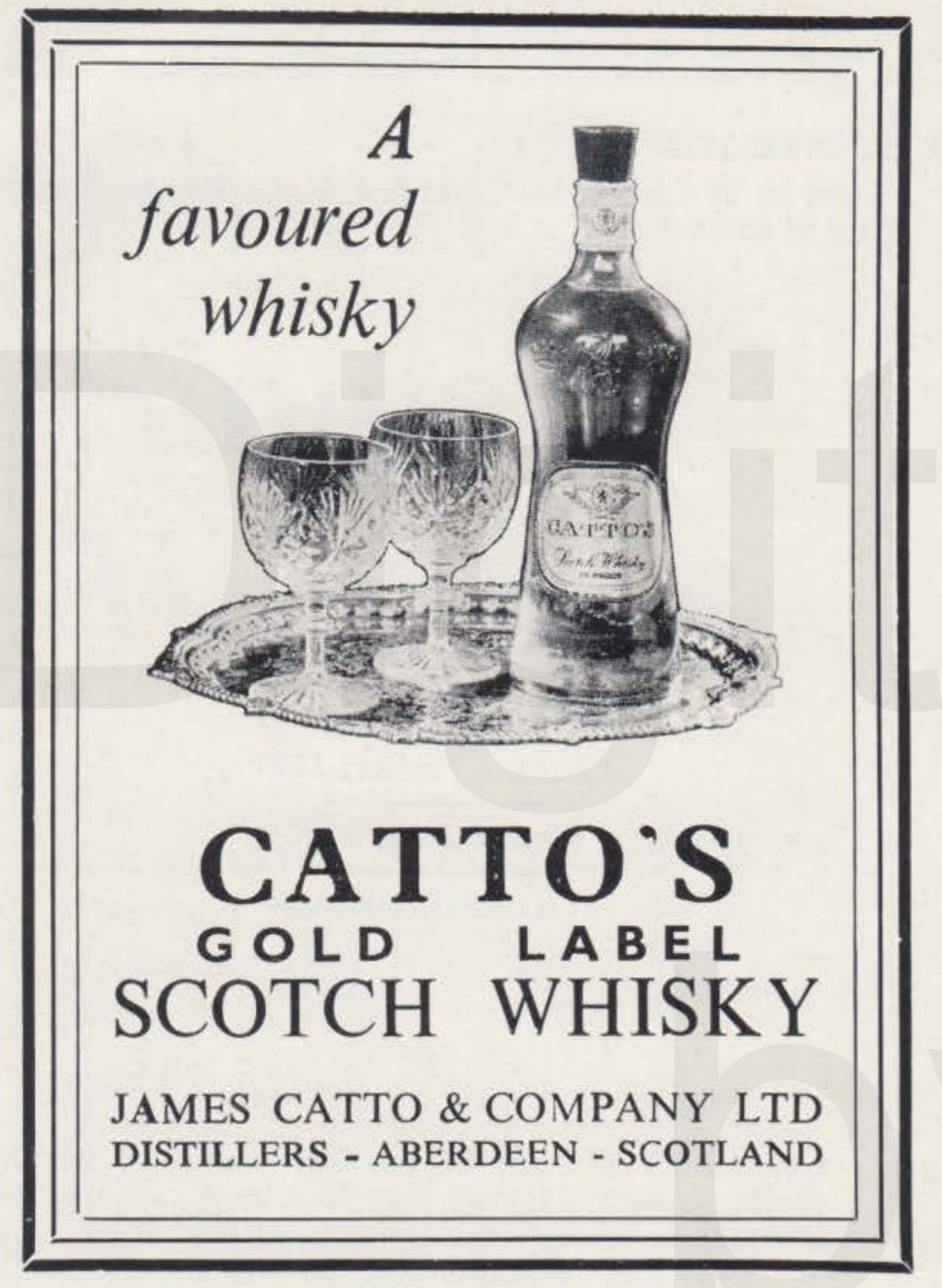
In November 1916, Captain Robert Kilgour Thom Catto, of the Gordon Highlanders, was killed in action in France. He was the only surviving son of James Catto and had been the managing director of the Aberdonian Scotch whisky firm James Catto Ltd for fifteen years prior to his death.
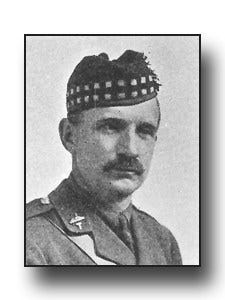
The following year, W & A Gilbey launched a takeover of Catto’s blending firm and, by 1946, owned it outright.
A few years later, in 1954, none other than Sir Compton Mackenzie officially opened the newly rebuilt warehouses and bottling plant at Haymarket.
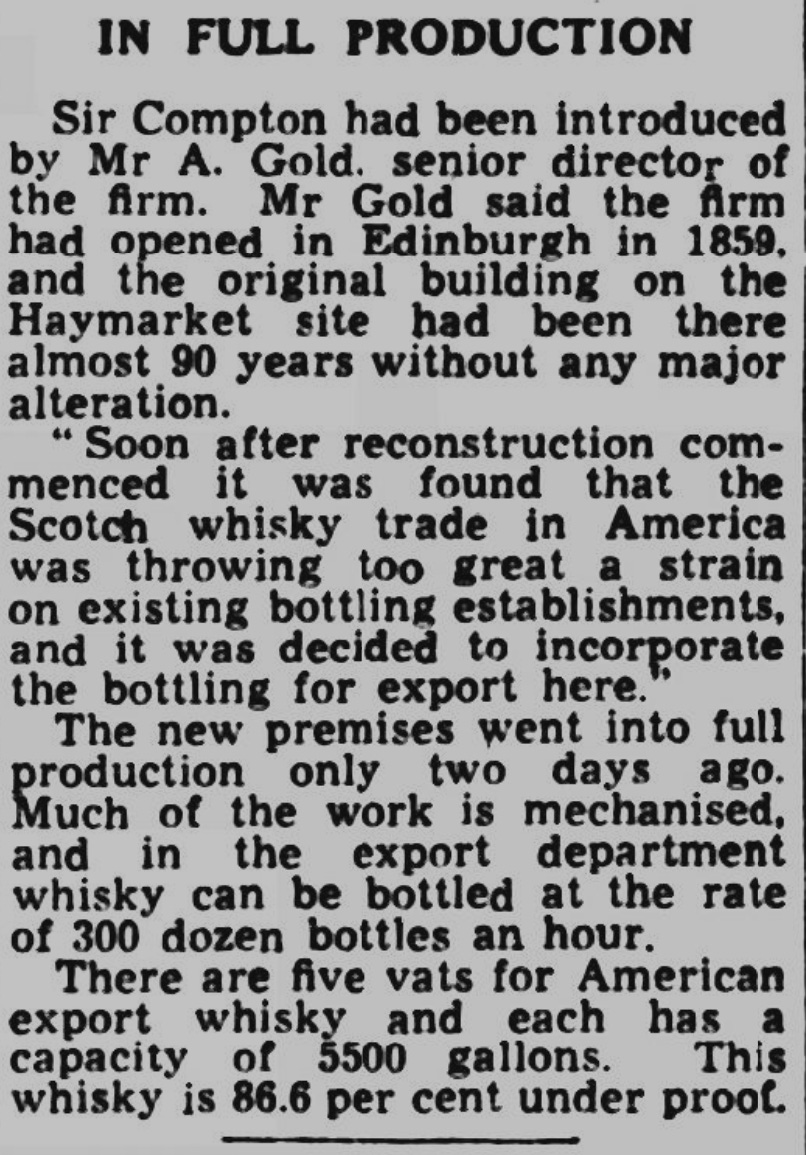
It’s always the people behind the brands that interest me the most and what caught my attention in this extract, was that Mackenzie met with the senior director - a man called Gold. Not Gilbey.
Curious about Mr. A. Gold? I’ve dug deep into the connection between the two families - but that part’s reserved for paid subscribers only. As are a number of other photos and details I’ve unearthed about the Gilbey family.
In the early 1960s, W & A Gilbey had merged with a firm called United Wine Traders Ltd to become International Distillers & Vinters which, had in turn, been borne from the merger between Justerini & Brooks and the family wine and spirits company Twiss & Browning & Hallowes Ltd.
The London based brewing company Watney Mann - which owned St Leonard’s Brewery in Edinburgh - took over IDV in 1972. But just six months later, Watney Mann was taken over by Grand Metropolitan. The latter merged with Guinness plc in 1997 which is why, today, all three of the Gilbey distilleries are in the hands of Diageo.
Slàinte!
Justine
P.S My weekly newsletter goes out every Thursday. Move my emails to your primary inbox so you see the next edition!
My subject lines will always include the “🥃” so they’re easy to find.
📕Buy “Opening The Case: The Affairs of Pattisons’ Whisky” HERE