
🥃 Kelso's Lost Distillery
Email newsletter originally sent to subscribers on 5th June 2025
Things are looking bright on the distilling front here in the Scottish Borders.
It surely can’t be long before the first single malt from The Borders Distillery in Hawick hits the shelves. Having tried the first two releases - Malt & Rye and The Long & Short Of It - I was pleasantly surprised considering they were both bottled at 40%.
And then just shy of twenty miles north, along the A7, there’s Mossburn’s experimental outfit, The Reivers Distillery, located on the industrial estate in Tweedbank. As of yet, though, they haven’t released any of their whisky.
Mossburn also finally got the go ahead for their new distillery in Camptown, just outside Jedburgh, on the site of the old Jedforest Hotel. Now, I’m not sure what this will be called. Originally, I thought it would be named Jedhart Distillery - but now I’m having second thoughts due to the trademark not being renewed.

Planning permission has also been granted for a new farm distillery at Grahamslaw, roughly midway between Jedburgh and Kelso. And, of course, plans for Jackson Distillers’ huge grain distillery at Charlesfield are still underway.
Since moving to the Borders a few years ago, it’s not only been interesting to discover what’s currently in the Scotch whisky pipeline but also how the Scotch whisky landscape of yesteryear used to be.
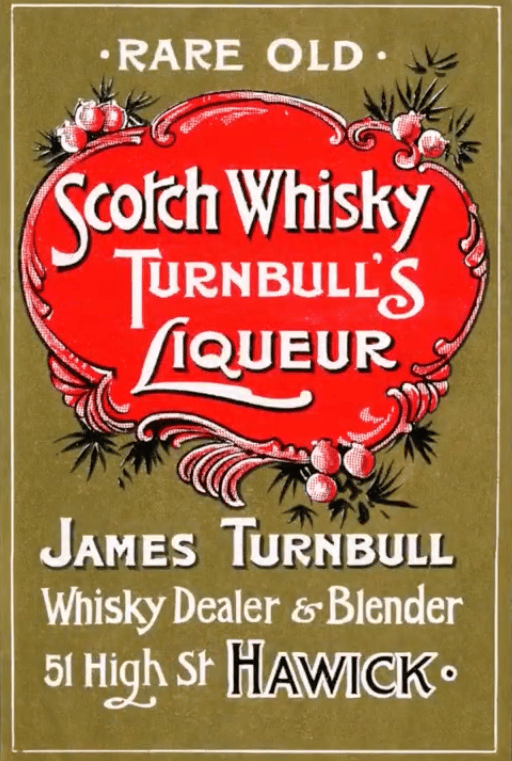
My first port of call was a well-known whisky name here in the Borders - that of James Turnbull. In fact, this formed the basis for one of my first wee graveyard videos on Insta. You can watch it HERE.
But on the distilling - rather than blending - front, it didn’t seem as though too much was going on. Until I came across this next to the Co-Op on Roxburgh Street - the lane that, well, just isn’t 😁
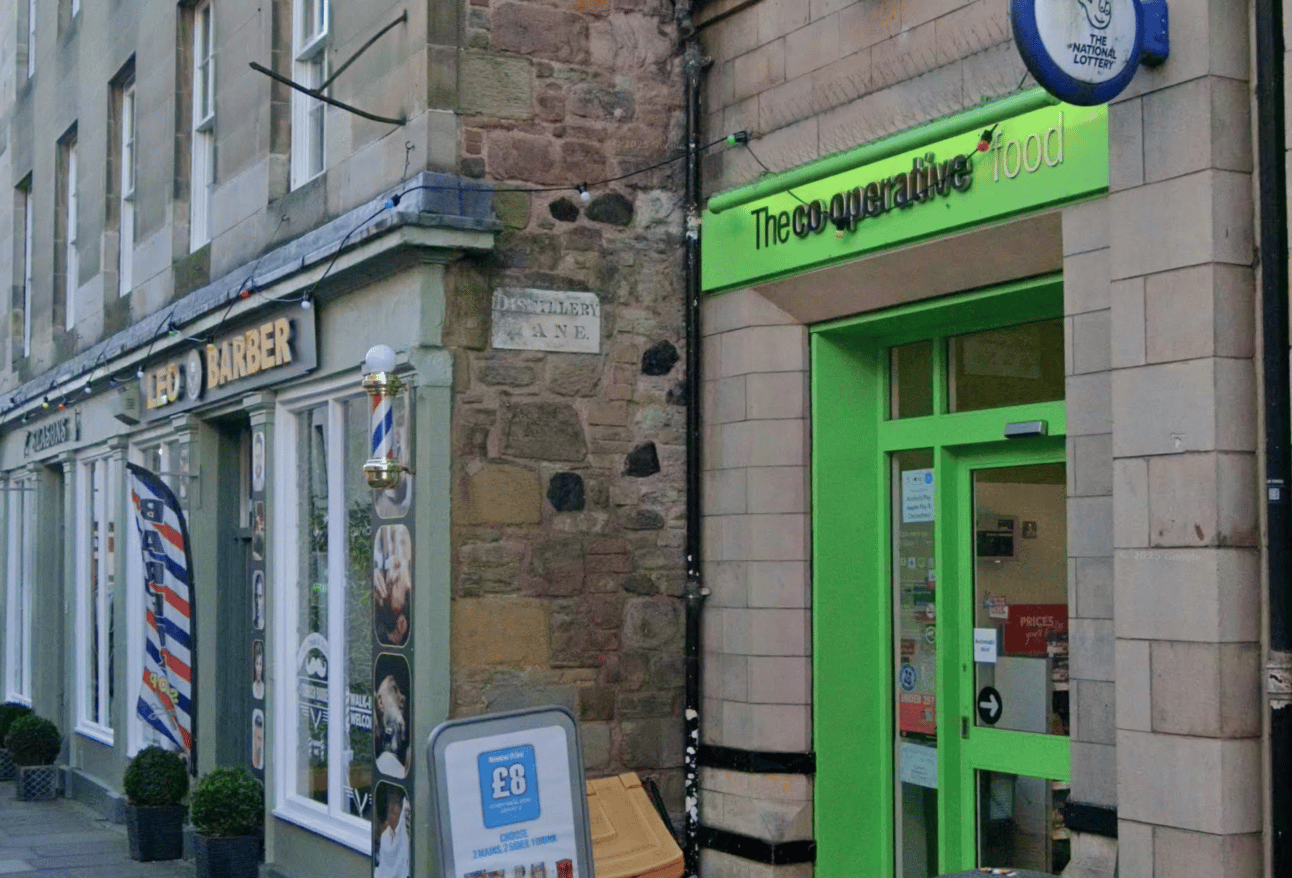
But it was once. And where it led to - well, the clue is in the name.
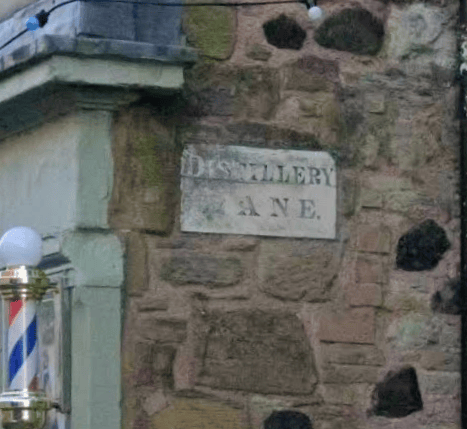
There seems to be very little information available about Kelso Distillery. Information from Moss & Hume’s book indicates that it was in production between 1825 and 1837. That suggests to me that it was one of the many distilleries that cropped up, after the Excise Act of 1823 made it much easier to do so. What the act didn’t do, of course, was give folk the necessary skills to run a distillery as a successful business. And with that, some of these new distilleries were fairly short-lived.
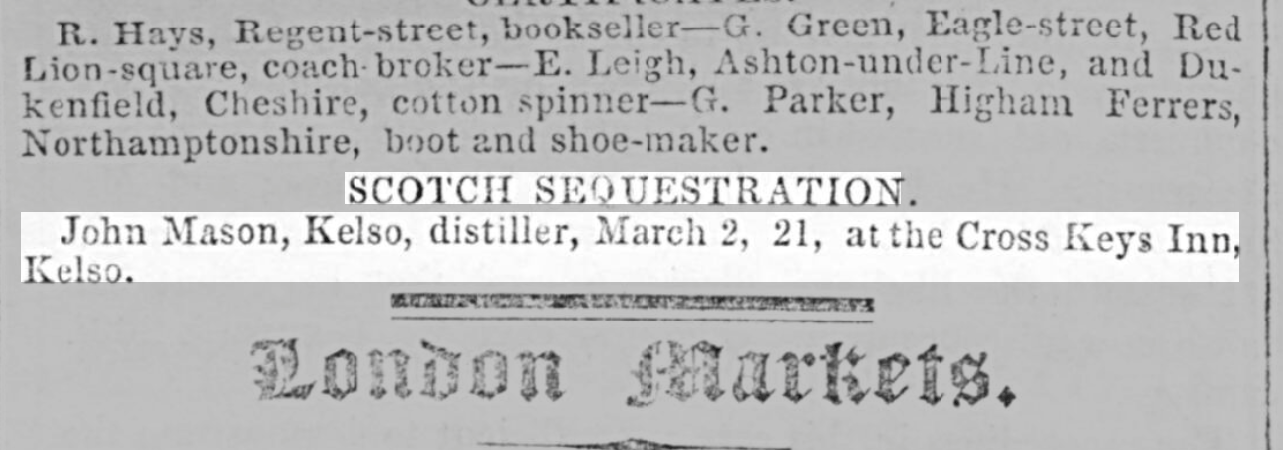
Given that the owner of the distillery, John Mason, went bankrupt in 1837 makes me thing this was probably the case. And between 1830 and 1833, Mason had a partner in the business - Peter Nichol - who also later went bankrupt.
And that’s pretty much all I can find out for now. I’ve yet to find anything of any consequence on any of the NLS maps or in the newspaper archives. As time permits, I shall try my best to find out more. In the meantime, though, if anyone has any information or insights they’re willing to share, please do get in touch. As usual, it’s always lovely to hear from you.
Slàinte!
Justine